About
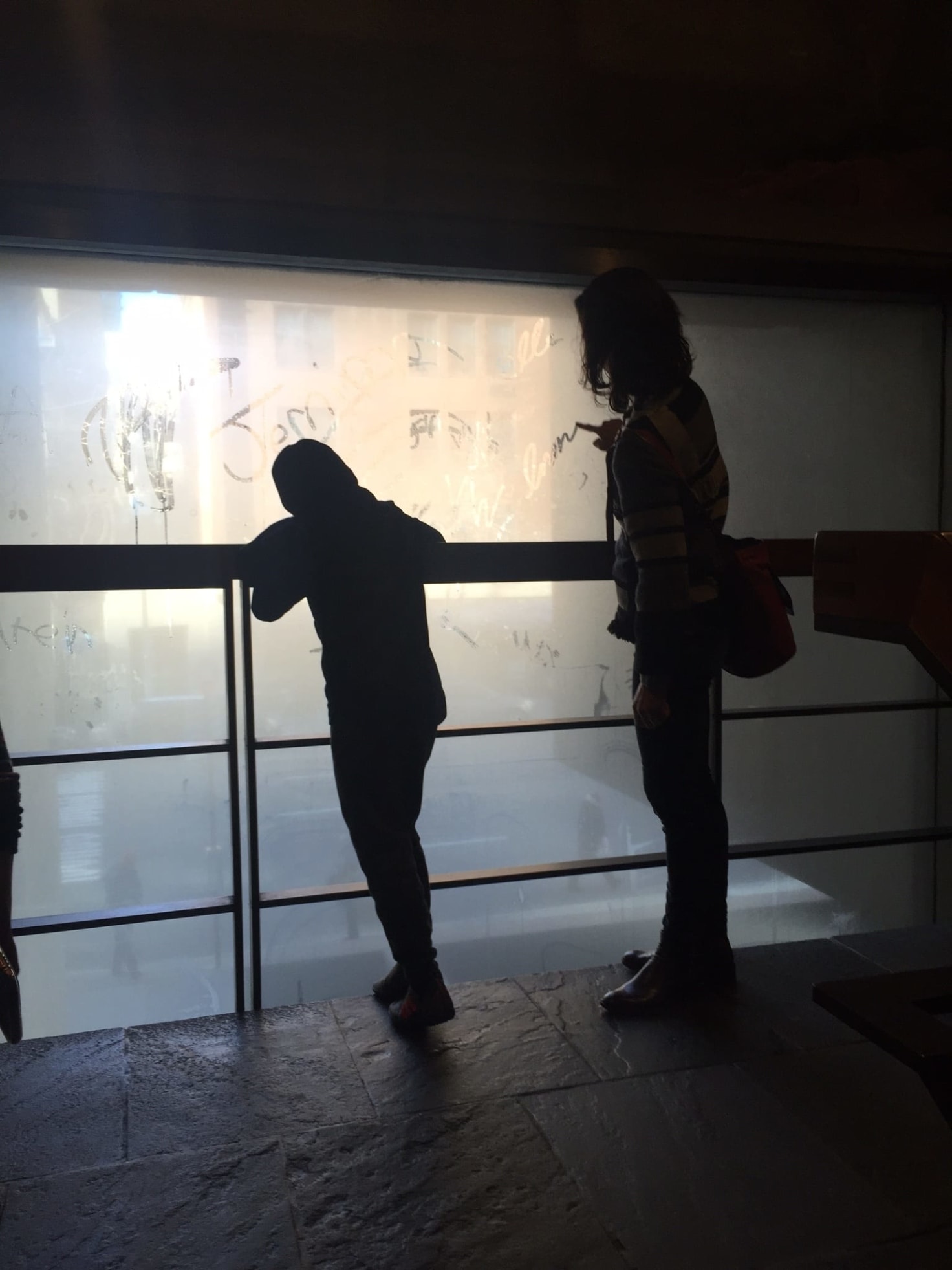
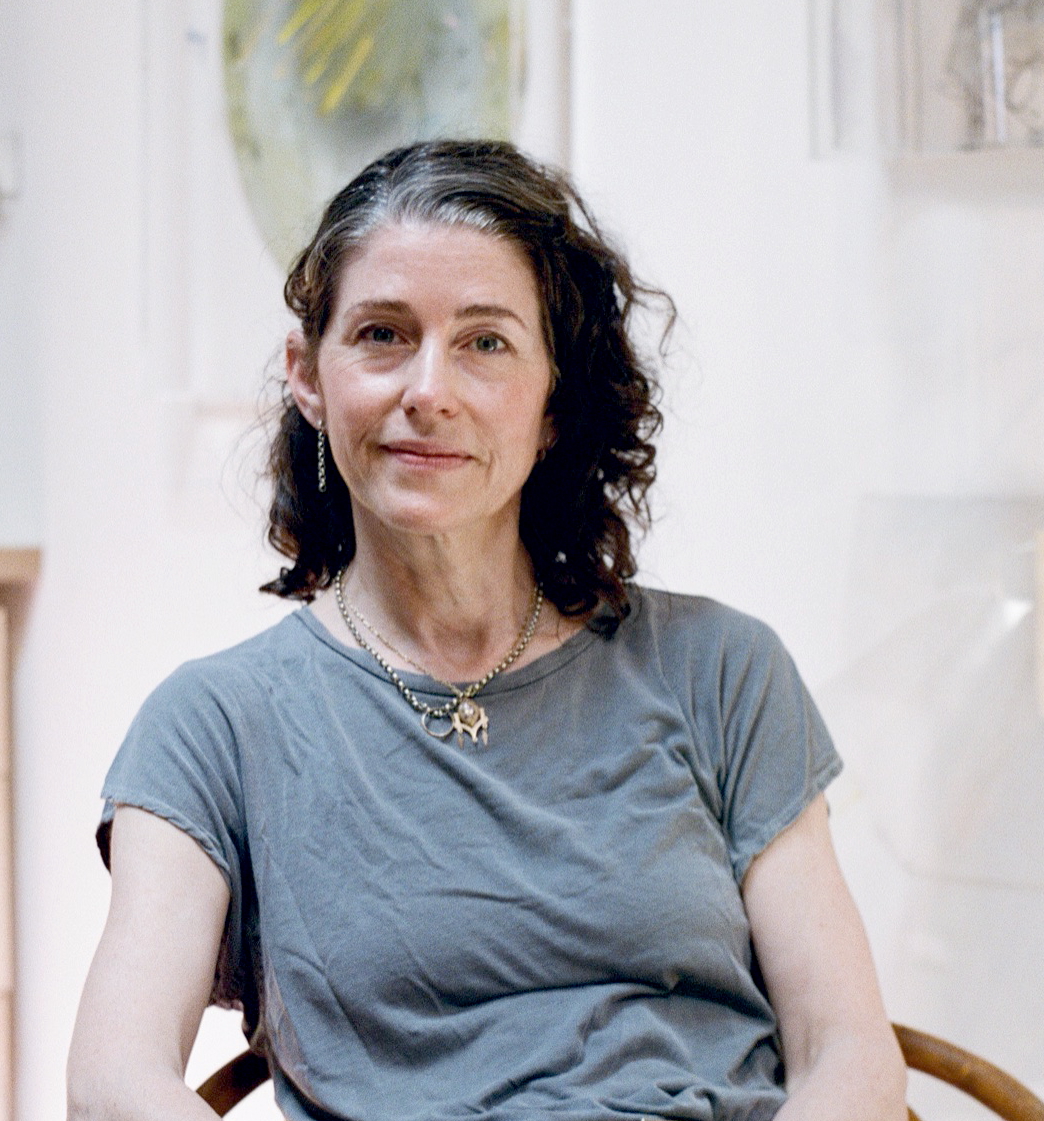
Olivia Booth’s work is a longtime exploration on the spectrum between transparency and opacity, predominantly pairing and collaging glass and drawing. She focuses on how glass in our digital age speaks to us about polishing our personal and collective lens. Her work has been shown nationally, in mostly nonprofit art space, like MAK Center at Schindler House, Los Angeles Municipal Art Gallery, SculptureCenter, and UrbanGlass, written about in publications like Artforum, The New York Times, and Bomb, and she is a recent recipient of the COLA-IMAP award and the Hopper Prize.
Born and raised in New York City, in 2000 she moved to Los Angeles and received her MFA in Visual Arts from ArtCenter College of Design. Before that she received her BFA in Painting and BA in Comparative Literature from Cornell University. She has taught at the college level for over two decades and also from her own studio school, TheDrawingStudio.
See the CV for full exhibition history, Links for press and related pages, and Contact to get in touch.
Artistic Statement
I’m compelled by the fluctuations between the opacity of not knowing and the transparency of knowing, and I’m drawn to literalize the dance between those two pulls by collaging transparent and opaque materials. Chief among these materials are manipulated glass and mixed-media drawings. I’m aiming to redirect our attention away from the flattening propagandas of glass’ life in the built world as digital screen, artistic framing device, mirror and window facade, and towards the messy business of polishing our own lenses of perception. By foregrounding glass’ presence I mean to upend what frames what– glass or drawing– and to solicit multi-prepositional looking (through/at/on/in/with). I use varying degrees of alchemy in my process, from manipulating molten glass and assembling it, cooled, with paper and other substrates, to the “warmer” alchemy of drawing with paint and other mediums upon and in relation to those surfaces.
The warm alchemy of marking up the nonporous transparent surface of glass is my greatest artistic delight. It displaces the literal absorption of paper or canvas onto the absorbed looking of skating around the surface, and the illusionistic space of a painting into the actual space of the see-through; so composing becomes more like scoring movement and making marks more like moves that float in glass’s thick air. I lay down and wipe up gestural marks on their surfaces, as if in rehearsal for performance, fogging and clearing my lens on a daily basis (like Baruch Spinoza’s day and night jobs). Some moves respond to the specifics of the glass’ history, as in Porous Screen, where cursor-like motifs swim in the surface of the previously broken and fused digital screen glass. Some moves mimic moments at hand, like in Glint Piece, on which months of paint-chasing-highlights built up on its arched surface . Most moves are expressions of recurring motifs that call out to glass’s presence in our world, or are pooled from my personal canon of references that continue to grow and recirculate, like Ursula La Guin’s carrier bag of fiction, but in my case with visual expression.
These expressions range from, say, a instantaneous reflection I noticed in the glazing of the building Casa del Fascio, to a shard of broken glass as described in a Paolo Pasolini poem, and from a motif of a glass billet, to spelling out Edouard Glissant’s iconic phrase “right to opacity”. My pieces are often dedications to, or ways to commune with, my chorus of beloved guides on the trans-opacity horizon. These guides are artists like Thermon Statom and Roni Horn, along with architects, writers and poets. This communion has an index of corresponding motifs from my carrier bag; it might look like a glass painting with an embellished diagonal slash dedicated to Susan Sontag for beginning one of her novels lodged inside a pane of glass as she observed her protagonists “grandiloquent stripe”, or like a glass drawing of frayed blanket edges, born of the poet Layli Long Soldier’s description (in the poem Vaporative) of flip-flopping transparency and opacity. Or it might look like a two-sided free-standing cracked glass piece nodding to Marcel Duchamp, who also dithered endlessly on the impossible and high-strung surface of eventually cracked glass. These works are meant to upend the traditional marriage of framing drawing with glass, and to fold the glass frame into drawing so that the two simultaneously birth one another.
Sometimes this pairing emerges from the wall in the form site-specific works that speak to the architecture at hand, and sometimes they form ritual instruments or percussive sculptures for musical collaborations. Both these aspects were most recently at play in my recent concert with Ted Byrnes at The Philosophical Research Society in Los Angeles. I myself have become tuned to glass’ presence, its uses and abuses in my surrounding world, like a musician tuned to sound. The more tuned I become the more invested I am in alchemizing it in its hot and cool forms, and presenting it as delicate, messy, earthen and charged.
Whether it be site specific works or the more dominant discreet wall pieces that consume my practice, making marks in relation to an alchemized glass surface feels akin to drawing on a cave’s wall a long time ago: activating a surface that both creates our technological surroundings and needs marking up with gesture and spirit in order to draw out its poetic presence.